FAQs & Pet Care Tips
Pet Care Tips
What should I do in a pet emergency after hours?
If your pet needs urgent care outside of normal consulting hours, call our emergency line immediately at 083 683 6550. Our after-hours support service will advise you on what to do next and, if needed, arrange an emergency consultation. Please note that after-hours and emergency call-outs carry an additional surcharge.
How do I give my pet tablets safely?
Place the tablet at the back of your pet's throat, gently close their mouth, and give a quick puff of air on the nose. This natural reflex encourages them to lick their nose — and they cannot lick without swallowing first. If you're unsure or your pet is difficult to medicate, ask our team for alternative methods or tablet-hiding tricks.
What vaccinations does my pet need and how often?
Dogs and cats require annual core vaccinations to protect against serious diseases such as parvovirus, distemper, rabies, panleukopenia, and feline respiratory viruses. Some vaccines may be given every one to three years depending on your pet's age and health. Our vets can create a personalised vaccination schedule for your pet.
How often should I deworm my dog or cat?
Most pets should be dewormed every three months, and puppies or kittens may need more frequent doses. Deworming reduces the risk of intestinal parasites that can affect both pets and humans. During your visit, we can recommend the correct product and dosage for your pet's age and weight.
How do I protect my pet from fleas and ticks?
Use a high-quality monthly flea and tick preventative to keep your pet safe from parasites and the diseases they carry. Regular treatments are essential year-round in South Africa's climate. Our team can recommend the best product for your dog or cat based on lifestyle, weight, and sensitivity.
How often should my pet visit the vet?
Healthy adult pets should have at least one annual checkup, while puppies, kittens, and senior pets may need more frequent visits. Regular exams help detect illness early and ensure your pet stays up to date on vaccines, parasite control, dental care, and nutrition.
How do I know if my pet is in pain?
Pets often hide discomfort, but common signs of pain include limping, restlessness, hiding, vocalising, decreased appetite, or changes in behaviour. If you notice any of these, schedule a consultation so we can diagnose the cause and provide safe, effective treatment.
What food should I feed my pet?
A complete, balanced diet tailored to your pet's age, breed, and health status is essential. Premium veterinary diets offer superior nutrition and support common issues such as allergies, stomach sensitivity, weight management, or joint health. Speak to us for personalised feeding advice.
What should I do if my pet is vomiting or has diarrhoea?
If vomiting or diarrhoea lasts more than 24 hours, or if your pet becomes lethargic, dehydrated, or refuses food, contact us immediately. These symptoms can indicate infections, toxins, dietary issues, or more serious medical conditions. Our vets will guide you on whether your pet needs urgent care.
When should I sterilise my dog or cat?
Most pets can be sterilised from 5–6 months of age, depending on their size and breed. Sterilisation reduces the risk of cancers, roaming, aggression, unwanted litters, and hormonal diseases. Our vets will help you choose the best timing for your individual pet.
What are the signs of dental disease in pets?
Bad breath, tartar build-up, drooling, pawing at the mouth, and difficulty eating are common signs of dental disease. Regular dental care and professional cleanings help prevent periodontal disease, which can affect the heart, kidneys, and overall health.
Should I microchip my pet?
Yes — microchipping is the safest, most reliable way to identify your pet if they go missing. It's quick, affordable, and required for travel and some wellness plans. We register microchips to ensure your details are always up to date.
What should I do before bringing my pet in for surgery?
Most pets should not eat for 8–12 hours before anaesthesia, but water is usually allowed. We'll discuss pre-anaesthetic blood tests, medication instructions, and what to expect during recovery. If you're unsure, call our team for guidance.
Ten questions to ask before breeding your dog
Breeding your female dog requires careful thought, preparation, and financial commitment. Raising a litter takes at least four months of dedicated time, and the cost of raising eight puppies (to their 8-week vaccination) typically ranges from R4 000 to R6 000 without complications. If a caesarean section is needed, costs may rise significantly. Before deciding to breed, visit a local shelter and reflect on the questions below: Is my dog fully grown and emotionally mature enough to cope with pregnancy? Does she have any medical conditions with hereditary or genetic links (skin, ears, joints, etc.)? Could pregnancy put her current health at risk? Is she on chronic medication that may be unsafe for a developing fetus? Does she have behavioural issues such as fear, aggression, or anxiety? Are her vaccinations and deworming up to date? Do I have the facilities, support, and finances to raise a litter until 8 weeks old? Can I afford emergency care such as a caesarean section (R4 000–R8 000)? Is the breed in demand, and can I responsibly find 8–12 suitable homes? What is my true motivation for wanting a litter? If you are considering breeding your dog, our vets can guide you through health checks, genetic risks, and responsible breeding practices.
Appointments & Administration
Do I need to make an appointment or can I walk in?
We run by appointments, however, if you have an emergency please head straight down to either of our clinics.
What should I do if I cannot get through on the phone?
You can book an appointment online at vet.lc/pb5mrf, drop us an email at reception@citivetbothasig.co.za, or contact our after-hours support at 083 683 6550.
How do I cancel or reschedule an appointment?
Our receptionists are waiting to assist you. Please contact Bothasig at 021 558 0995 or Monte Vista at 021 558 2933.
How do I request a repeat prescription or medication refill?
Our receptionists are waiting to assist you. Please contact Bothasig at 021 558 0995 or Monte Vista at 021 558 2933, or email your request to reception@citivetbothasig.co.za.
How do I request copies of blood test results or medical records?
Please request these via our receptions at Bothasig (021 558 0995) or Monte Vista (021 558 2933), or by emailing your request to reception@citivetbothasig.co.za.
Pricing, Services & Policies
What is your standard consultation fee for dogs and cats?
Please contact our clinic to get our most accurate and competitive pricing. You can reach our Bothasig branch at 021 558 0995 or our Monte Vista branch at 021 558 2933.
What does an annual vaccination and health check cost?
Please contact our clinic to get our most accurate and affordable pricing for annual vaccinations and health checks. Call our Bothasig branch at 021 558 0995 or our Monte Vista branch at 021 558 2933.
How much does it cost to sterilize or neuter a dog or cat? (Does price vary by breed or size?)
Pricing for sterilization and neutering depends on factors such as the size and breed of your pet. Please contact our clinic (Bothasig: 021 558 0995 / Monte Vista: 021 558 2933) to get our most accurate pricing.
What do puppy or kitten first vaccination courses cost?
Please contact our clinic to get our most accurate and competitive pricing for puppy and kitten vaccinations. You can reach Bothasig at 021 558 0995 or Monte Vista at 021 558 2933.
What is the cost of dental cleaning or scaling for dogs and cats? What is included?
Please contact our clinic directly to discuss what is included in our dental services and to get our most accurate pricing. Call Bothasig at 021 558 0995 or Monte Vista at 021 558 2933.
How much do blood tests cost (e.g. kidney function or senior wellness panels)?
For the most accurate and affordable pricing on blood tests and wellness panels, please call our receptionists at Bothasig (021 558 0995) or Monte Vista (021 558 2933).
How much does it cost to deworm cats or dogs?
Please contact our clinic to get our most accurate pricing on deworming treatments. You can reach Bothasig at 021 558 0995 or Monte Vista at 021 558 2933.
What does euthanasia cost? Do you offer at-home or in-home euthanasia?
For information regarding euthanasia services and to receive accurate pricing, please contact our clinic directly at Bothasig (021 558 0995) or Monte Vista (021 558 2933).
What do wellness plans cost? Are there discounts for multiple pets?
Visit our wellness plans page for current pricing, plan options, and multiple-pet discounts. You can also call Bothasig at 021 558 0995 or Monte Vista at 021 558 2933 with any questions.
What is the cost to consult for exotic or small animals (e.g. rabbits or birds)?
Please contact our clinic directly to get our most accurate pricing for exotic and small animal consultations. You can reach Bothasig at 021 558 0995 or Monte Vista at 021 558 2933.
Do you offer payment plans or payment arrangements?
Please contact our clinic directly to discuss any available payment plans or financial arrangements. Call Bothasig at 021 558 0995 or Monte Vista at 021 558 2933.
Do you offer student, rescue, or pensioner discounts?
We do offer pensioner discounts. Contact Bothasig or Monte Vista for more details.
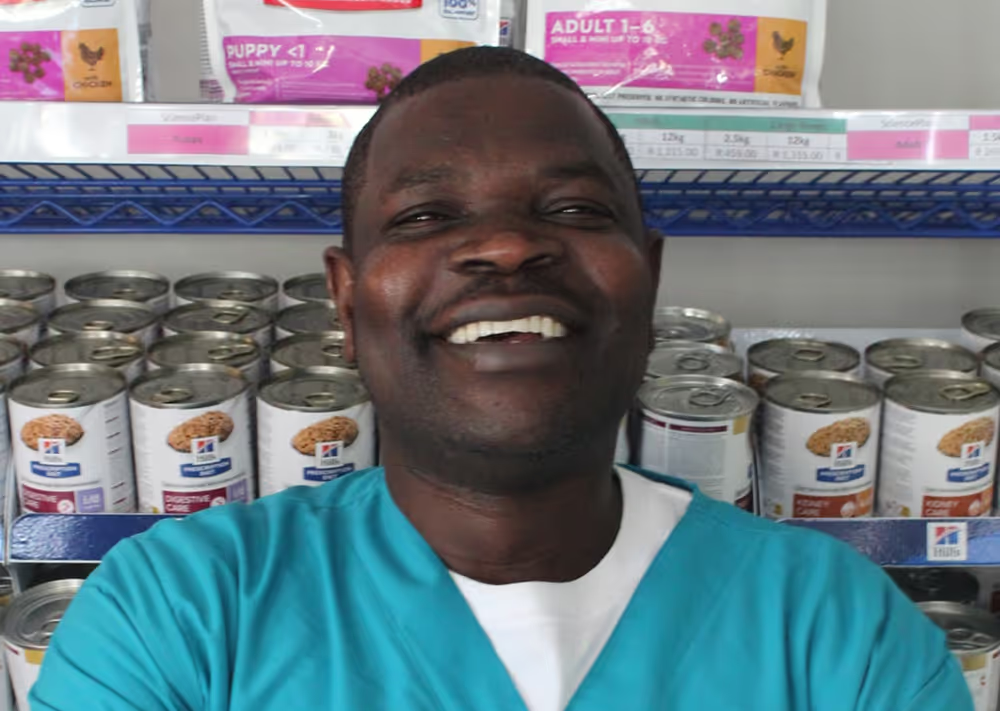
Do you sell prescription veterinary diets (e.g. Hill's C/D or Z/D) in practice?
We stock many prescription veterinary diets. Your vet will discuss any recommended diet changes with you during your consultation. If a specific product is not in stock, we can order it in for you when needed.